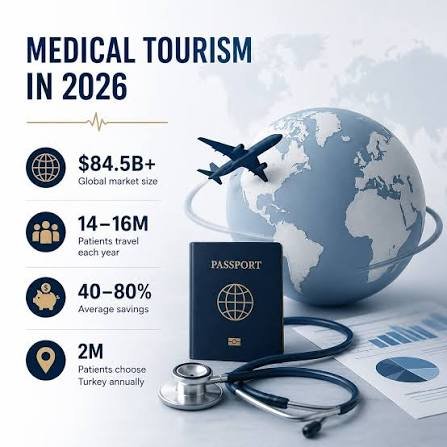
Medical tourism has become a global industry worth billions of dollars. Every year, millions of patients travel abroad to receive medical treatment, surgeries, and specialized healthcare services. The primary reasons include lower costs, shorter waiting times, advanced medical technology, and access to highly qualified specialists.
What Is Medical Tourism?
Medical tourism refers to traveling to another country to receive healthcare services. Patients may travel for:
- Major surgeries
- Cancer treatment
- Heart procedures
- Cosmetic surgery
- Orthopedic treatment
- Dental care
- Fertility treatments
Popular medical tourism destinations include countries such as Thailand, India, Turkey, Singapore, and United Arab Emirates.
Rising Demand for Medical Tourism
Healthcare costs continue to increase worldwide, especially in countries with expensive medical systems. As a result, many patients seek treatment abroad where they can receive quality care at a lower cost.
Medical tourism hospitals have adapted by offering:
- International patient departments
- Multilingual staff
- Personalized treatment plans
- Insurance support services
- Travel and accommodation assistance
These services make the treatment process easier and more convenient for foreign patients.
1. Lower Treatment Costs
One of the biggest reasons patients choose medical tourism hospitals is cost savings.
Example Cost Differences
| Procedure | USA | Medical Tourism Destination |
|---|---|---|
| Heart Bypass Surgery | $80,000 – $150,000 | $10,000 – $25,000 |
| Knee Replacement | $35,000 – $70,000 | $8,000 – $18,000 |
| Dental Implants | $3,000 – $6,000 per tooth | $500 – $1,500 per tooth |
| Cosmetic Surgery | $8,000 – $20,000 | $2,000 – $7,000 |
Even after including travel expenses, patients often save thousands of dollars.
2. Access to Advanced Medical Technology
Leading medical tourism hospitals invest heavily in modern healthcare technology.
Common technologies include:
- Robotic surgery systems
- AI-assisted diagnostics
- Advanced MRI and CT imaging
- Minimally invasive surgical equipment
- Precision cancer treatment systems
These technologies help improve treatment outcomes and recovery times.
3. Shorter Waiting Times
In many countries, patients wait weeks or months for specialist appointments or surgeries.
Medical tourism hospitals often offer:
- Faster consultations
- Immediate diagnostic testing
- Shorter surgical waiting periods
- Faster treatment scheduling
This is especially important for patients requiring urgent care.
4. Highly Qualified Doctors and Specialists
Many medical tourism hospitals employ internationally trained physicians.
Benefits include:
- Board-certified specialists
- Experience treating international patients
- Access to multidisciplinary care teams
- Expertise in complex medical procedures
Many doctors have received training in the United States, Canada, the United Kingdom, or Europe.
5. High-Quality Healthcare Standards
Top medical tourism hospitals often maintain international accreditation.
Common Accreditation Standards
- International patient safety protocols
- Strict quality control measures
- Modern infection prevention programs
- Continuous staff training
These standards help ensure safe and effective treatment.
6. Comprehensive International Patient Services
Medical tourism hospitals understand the unique needs of international visitors.
Specialized services often include:
- Visa assistance
- Airport pickup services
- Hotel arrangements
- Translation services
- International insurance coordination
These services simplify the entire healthcare journey.
7. Availability of Specialized Treatments
Some treatments may not be easily available in a patient’s home country.
Medical tourism hospitals frequently offer:
- Advanced cancer therapies
- Fertility treatments
- Organ transplant programs
- Specialized orthopedic surgeries
- Cosmetic and reconstructive procedures
Patients travel abroad to access treatments that may be limited or unavailable locally.
8. Better Patient Experience
Many medical tourism hospitals focus heavily on patient comfort.
Features may include:
- Private hospital rooms
- Luxury recovery suites
- Personalized care coordinators
- Family accommodation options
- Concierge services
This creates a more comfortable healthcare experience compared to traditional hospital settings.
9. International Health Insurance Acceptance
Many hospitals now work directly with international insurance providers.
Benefits include:
- Direct billing arrangements
- Reduced upfront costs
- Faster claim processing
- Financial transparency
This makes treatment abroad more affordable and accessible.
10. Opportunity to Combine Treatment with Travel
Many patients appreciate the opportunity to recover in attractive destinations.
Popular medical tourism destinations offer:
- Modern healthcare facilities
- Tourist attractions
- Comfortable recovery environments
- Affordable accommodation
This combination of treatment and travel continues to attract international patients.
Popular Treatments Sought by Medical Tourists
Cardiology
- Heart bypass surgery
- Valve replacement
- Cardiac diagnostics
Orthopedics
- Knee replacement
- Hip replacement
- Spine surgery
Oncology
- Cancer treatment
- Radiation therapy
- Immunotherapy
Cosmetic Surgery
- Rhinoplasty
- Facelifts
- Liposuction
Dental Procedures
- Dental implants
- Full-mouth restoration
- Cosmetic dentistry
Challenges of Medical Tourism
Although medical tourism offers many benefits, patients should also consider:
- Travel-related risks
- Follow-up care requirements
- Language barriers
- Insurance limitations
- Different healthcare regulations
Proper planning can help minimize these challenges.
Tips for Choosing a Medical Tourism Hospital
Before selecting a hospital, consider:
- Hospital accreditation and reputation
- Doctor qualifications and experience
- Treatment costs and transparency
- International patient support services
- Insurance acceptance
- Patient reviews and testimonials
Research is essential to ensure safe and successful treatment.
Future of Medical Tourism
Medical tourism is expected to grow significantly through 2030 due to:
- Rising healthcare costs
- Improved global travel
- Telemedicine consultations
- Advanced healthcare technology
- Growing international insurance coverage
Hospitals worldwide are increasingly investing in services designed specifically for international patients.
Conclusion
International patients choose medical tourism hospitals because they offer a combination of affordability, advanced technology, shorter waiting times, and high-quality healthcare. Whether seeking heart surgery, cancer treatment, orthopedic procedures, or cosmetic surgery, patients can often receive excellent care at a fraction of the cost found in their home countries.
By carefully researching hospitals, understanding treatment costs, and verifying healthcare standards, medical tourists can access world-class healthcare while saving money and improving their overall treatment experience.
