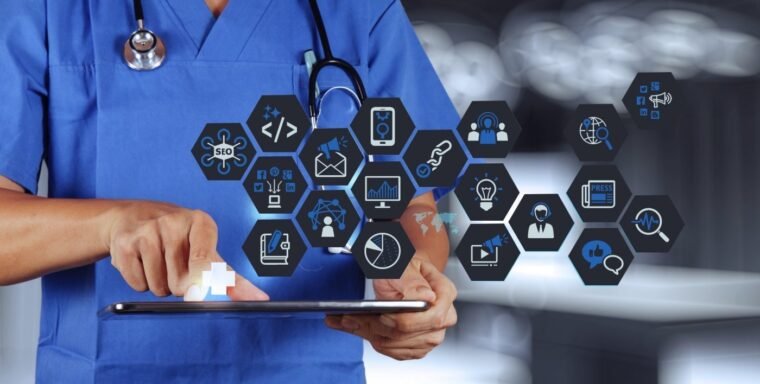
The healthcare industry is undergoing a digital transformation, and smart hospitals are leading the way. By combining advanced technologies such as Artificial Intelligence (AI), Internet of Things (IoT), electronic health records, telemedicine, and data analytics, smart hospitals are improving patient care, reducing medical errors, and enhancing operational efficiency.
In 2026, smart hospitals are becoming increasingly important as healthcare providers seek better ways to deliver high-quality treatment while managing costs. These hospitals use connected systems and intelligent devices to create a safer, faster, and more personalized healthcare experience.
This article explores how smart hospitals improve patient care, the technologies they use, and the benefits they offer to both patients and healthcare providers.
What Is a Smart Hospital?
A smart hospital is a healthcare facility that uses digital technologies, automation, and connected medical devices to improve healthcare delivery.
Unlike traditional hospitals, smart hospitals integrate technology into almost every aspect of patient care, including:
- Patient monitoring
- Medical records management
- Diagnostics
- Treatment planning
- Hospital administration
- Communication between healthcare teams
The goal is to provide more accurate, efficient, and patient-centered care.
Why Smart Hospitals Are Growing Worldwide
Several factors are driving the growth of smart hospitals:
- Rising healthcare costs
- Increasing patient expectations
- Growing demand for remote healthcare services
- Advances in AI and machine learning
- Need for better patient safety
- Healthcare workforce shortages
Governments and private healthcare organizations are investing billions of dollars in smart healthcare infrastructure to improve outcomes and reduce costs.
Key Technologies Used in Smart Hospitals
Artificial Intelligence (AI)
AI helps doctors and healthcare providers make better decisions by analyzing large amounts of medical data.
Examples include:
- Early disease detection
- Medical image analysis
- Predictive healthcare analytics
- Treatment recommendations
AI can identify patterns that may be difficult for humans to detect, helping doctors diagnose diseases earlier.
Internet of Things (IoT)
IoT refers to connected medical devices that communicate through the internet.
Examples include:
- Smart patient monitors
- Connected infusion pumps
- Wearable health trackers
- Smart hospital beds
These devices provide real-time patient data, allowing healthcare teams to respond quickly when conditions change.
Electronic Health Records (EHR)
Electronic Health Records store patient information digitally.
Benefits include:
- Faster access to medical history
- Improved communication among healthcare providers
- Reduced paperwork
- Better treatment coordination
Doctors can instantly access patient records, test results, and medication histories from anywhere within the hospital.
Telemedicine and Virtual Care
Telemedicine allows patients to consult healthcare professionals remotely.
Benefits include:
- Faster consultations
- Reduced travel costs
- Improved access for rural patients
- Better follow-up care
Many smart hospitals now offer virtual appointments alongside traditional in-person visits.
Robotics in Healthcare
Healthcare robots are increasingly being used in smart hospitals.
Applications include:
- Robotic-assisted surgery
- Medication delivery
- Hospital sanitation
- Patient transportation
Robotic surgery often results in smaller incisions, less pain, and faster recovery times.
How Smart Hospitals Improve Patient Care
Faster Diagnosis
Advanced diagnostic systems help doctors identify diseases more quickly.
Benefits include:
- Early detection of serious illnesses
- Faster treatment planning
- Reduced waiting times
Quick diagnosis can significantly improve treatment outcomes.
Improved Patient Safety
Smart hospitals use technology to reduce medical errors.
Examples include:
- Automated medication verification
- Real-time patient monitoring
- Electronic prescription systems
These technologies help prevent mistakes that could harm patients.
Personalized Treatment Plans
Smart hospitals use patient data to create customized treatment plans.
Doctors can consider:
- Medical history
- Genetic information
- Lifestyle factors
- Previous treatments
Personalized care often leads to better health outcomes.
Continuous Patient Monitoring
Connected monitoring devices track patient health around the clock.
They monitor:
- Heart rate
- Blood pressure
- Oxygen levels
- Temperature
Healthcare staff receive instant alerts if a patient’s condition changes.
Better Communication
Digital communication tools improve collaboration between doctors, nurses, specialists, and patients.
Benefits include:
- Faster information sharing
- Better treatment coordination
- Reduced delays in care
Effective communication leads to improved patient experiences.
Benefits for Healthcare Providers
Smart hospitals also help healthcare professionals.
Increased Efficiency
Automation reduces administrative workload.
Staff spend less time on:
- Paperwork
- Data entry
- Scheduling tasks
This allows healthcare workers to focus more on patient care.
Improved Resource Management
Smart systems help hospitals manage:
- Medical equipment
- Staff scheduling
- Bed availability
- Inventory control
Efficient resource allocation reduces costs and improves service quality.
Better Clinical Decision-Making
AI-powered analytics provide valuable insights.
Doctors can make more informed decisions based on:
- Real-time patient data
- Predictive models
- Evidence-based recommendations
Benefits for Patients
Patients experience many advantages when receiving care in smart hospitals.
Reduced Waiting Times
Digital systems streamline hospital operations, reducing delays.
Better Treatment Outcomes
Advanced technologies improve diagnosis and treatment accuracy.
Enhanced Comfort
Smart rooms may include:
- Automated lighting
- Temperature control
- Entertainment systems
Greater Convenience
Patients can access:
- Online appointments
- Digital records
- Virtual consultations
Challenges Facing Smart Hospitals
While smart hospitals offer many benefits, they also face challenges.
High Implementation Costs
Building a smart hospital requires significant investment in:
- Technology
- Infrastructure
- Staff training
Cybersecurity Risks
Healthcare organizations must protect sensitive patient information from cyber threats.
Staff Training Requirements
Healthcare workers need ongoing training to use new technologies effectively.
Technology Integration
Different systems must work together seamlessly to provide maximum benefits.
The Future of Smart Hospitals
The future of healthcare is becoming increasingly digital.
Emerging technologies include:
- AI-powered diagnostics
- Predictive healthcare analytics
- 5G-connected medical devices
- Advanced robotics
- Digital twins in healthcare
Experts predict that smart hospitals will continue expanding as healthcare systems focus on improving patient outcomes and reducing costs.
Why Smart Hospitals Matter
Smart hospitals are transforming healthcare by combining technology with patient-centered care.
Key benefits include:
- Improved patient safety
- Faster diagnosis
- Better treatment outcomes
- Reduced healthcare costs
- Enhanced patient experiences
As healthcare technology continues to evolve, smart hospitals will play an even greater role in delivering high-quality medical care worldwide.
Conclusion
Smart hospitals represent the future of healthcare. Through the use of Artificial Intelligence, IoT devices, telemedicine, robotics, and electronic health records, these hospitals are significantly improving patient care in 2026.
Patients benefit from faster diagnosis, personalized treatment plans, and improved safety, while healthcare providers gain greater efficiency and better clinical decision-making tools.
As technology continues to advance, smart hospitals will become increasingly important in delivering safe, effective, and high-quality healthcare for millions of patients around the world.
