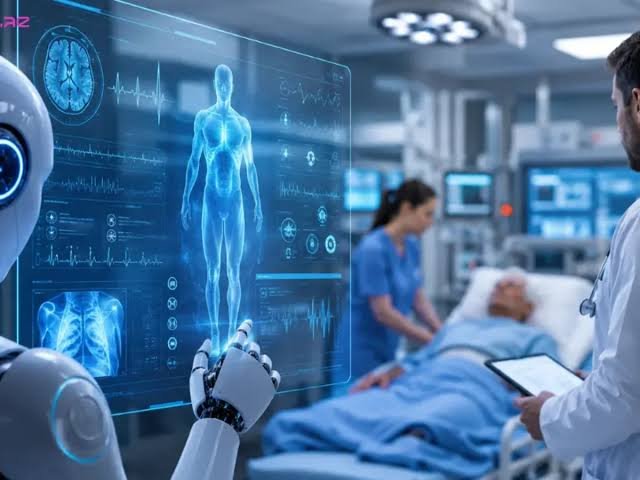
Modern healthcare is rapidly evolving, and advanced diagnostic technology in hospitals is playing a major role in improving patient care. In 2026, hospitals are using cutting-edge tools such as artificial intelligence, high-resolution imaging, genetic testing, and digital pathology to detect diseases earlier and more accurately than ever before.
These technologies help doctors diagnose conditions faster, reduce medical errors, and create more effective treatment plans. As a result, patients receive better outcomes with less invasive procedures and shorter recovery times.
What Is Advanced Diagnostic Technology?
Advanced diagnostic technology refers to modern medical tools and systems used to identify diseases and health conditions in the human body.
Unlike traditional methods, which often rely heavily on manual interpretation, advanced diagnostics use:
- Digital systems
- AI-powered analysis
- High-precision imaging
- Automated laboratory testing
- Real-time health monitoring
The goal is to improve accuracy, speed, and reliability in medical diagnosis.
Why Advanced Diagnostics Are Important in Hospitals
Hospitals rely on diagnostic technology for nearly every aspect of patient care. Early and accurate diagnosis is critical because it:
- Improves survival rates
- Reduces treatment costs
- Prevents disease complications
- Enables early intervention
- Supports personalized medicine
In many cases, early diagnosis can be the difference between successful treatment and long-term complications.
Key Advanced Diagnostic Technologies in 2026
Artificial Intelligence (AI) in Diagnosis
AI is transforming the way diseases are detected and analyzed.
How AI Helps:
- Analyzes medical images like X-rays and MRIs
- Detects early signs of cancer, tumors, or infections
- Predicts disease risks based on patient data
- Supports doctors in clinical decision-making
AI systems can process large volumes of data in seconds, improving diagnostic speed and accuracy.
Magnetic Resonance Imaging (MRI) and CT Scans
Modern imaging systems provide highly detailed views of the human body.
Benefits:
- Detects internal injuries and abnormalities
- Provides 3D imaging of organs and tissues
- Helps in diagnosing brain, heart, and bone conditions
- Non-invasive and highly accurate
Advanced MRI and CT scanners now offer faster scan times and clearer images than older systems.
Digital X-Ray Technology
Digital X-rays are replacing traditional film-based systems.
Advantages:
- Instant image results
- Lower radiation exposure
- Easy storage and sharing
- Enhanced image clarity
Doctors can quickly review and analyze images for faster diagnosis.
Laboratory Automation and Blood Testing Systems
Automated lab systems are widely used in modern hospitals.
Features:
- Fast blood test processing
- High accuracy in detecting infections and diseases
- Reduced human error
- Integration with hospital databases
These systems help doctors make quicker treatment decisions.
Genetic and Molecular Testing
Genetic testing is becoming a key part of personalized medicine.
Uses:
- Detecting inherited diseases
- Identifying cancer risk
- Matching treatments to patient DNA
- Understanding rare medical conditions
This technology allows for highly personalized treatment strategies.
Digital Pathology
Digital pathology uses scanned tissue samples for analysis.
Benefits:
- High-resolution digital slides
- Remote consultation with specialists
- AI-assisted cancer detection
- Faster diagnosis compared to traditional methods
It improves accuracy in detecting complex diseases.
Wearable Diagnostic Devices
Wearable technology is increasingly used for continuous monitoring.
Examples:
- Smartwatches tracking heart rate
- Wearable ECG monitors
- Blood sugar monitoring devices
- Oxygen level sensors
These devices provide real-time health data to doctors.
How Advanced Diagnostics Improve Patient Care
Early Disease Detection
Advanced tools help identify diseases at an early stage.
- Cancer detection in early stages
- Early heart disease identification
- Detection of neurological disorders
Early diagnosis significantly improves treatment success rates.
Higher Accuracy in Diagnosis
Modern technology reduces human error and improves reliability.
- AI-assisted image analysis
- Automated test results
- Data-driven medical decisions
This leads to more accurate treatment planning.
Faster Diagnosis and Treatment
Advanced systems reduce waiting times for results.
- Instant imaging results
- Rapid lab testing
- Automated reporting systems
Faster diagnosis leads to quicker treatment initiation.
Personalized Treatment Plans
Hospitals use diagnostic data to create customized treatment strategies.
Doctors can consider:
- Genetic information
- Medical history
- Lifestyle factors
- Real-time health data
This improves treatment effectiveness and reduces side effects.
Reduced Need for Invasive Procedures
Advanced imaging and testing reduce the need for surgical exploration.
- Non-invasive scans
- Early detection tools
- Precise internal imaging
This improves patient comfort and safety.
Benefits for Hospitals and Doctors
Improved Efficiency
Automation reduces manual workload and speeds up processes.
Better Clinical Decisions
Doctors can make more informed decisions using accurate data.
Cost Reduction in Long Term
Early diagnosis reduces expensive emergency treatments and hospital stays.
Enhanced Patient Management
Integrated systems help track patient progress more effectively.
Challenges of Advanced Diagnostic Technology
Despite its benefits, there are challenges:
High Cost of Equipment
Advanced machines like MRI and AI systems require significant investment.
Data Privacy Concerns
Hospitals must protect sensitive patient information.
Training Requirements
Medical staff must be trained to use new technologies effectively.
Technical Integration Issues
Different systems must work together smoothly for optimal performance.
Future of Diagnostic Technology in Hospitals
The future of hospital diagnostics is highly advanced and data-driven.
Emerging trends include:
- AI-powered predictive diagnostics
- Real-time disease tracking
- Nano-technology-based testing
- Fully automated laboratories
- Remote diagnostic platforms
Hospitals will continue to move toward faster, smarter, and more personalized healthcare systems.
Conclusion
Advanced diagnostic technology is revolutionizing healthcare in 2026. From AI-powered imaging to genetic testing and wearable health devices, hospitals are now able to detect diseases earlier, diagnose them more accurately, and treat patients more effectively.
These innovations not only improve patient outcomes but also make healthcare more efficient, cost-effective, and accessible. As technology continues to evolve, advanced diagnostics will remain a key pillar of modern hospital care.
